
How Congressional Flood Control Probes Could Lead to Real Change
The ongoing congressional investigations into flood control projects have gripped national attention — and for good reason. Billions of pesos have been poured into infrastructure designed to prevent floods, yet we still see roads turning into rivers after every downpour. The hearings may be intense, even frustrating at times, but there is a silver lining here: we are witnessing a rare moment where accountability and reform can actually converge.
This public scrutiny is not just about exposing irregularities — it’s about paving the way for a better way forward.
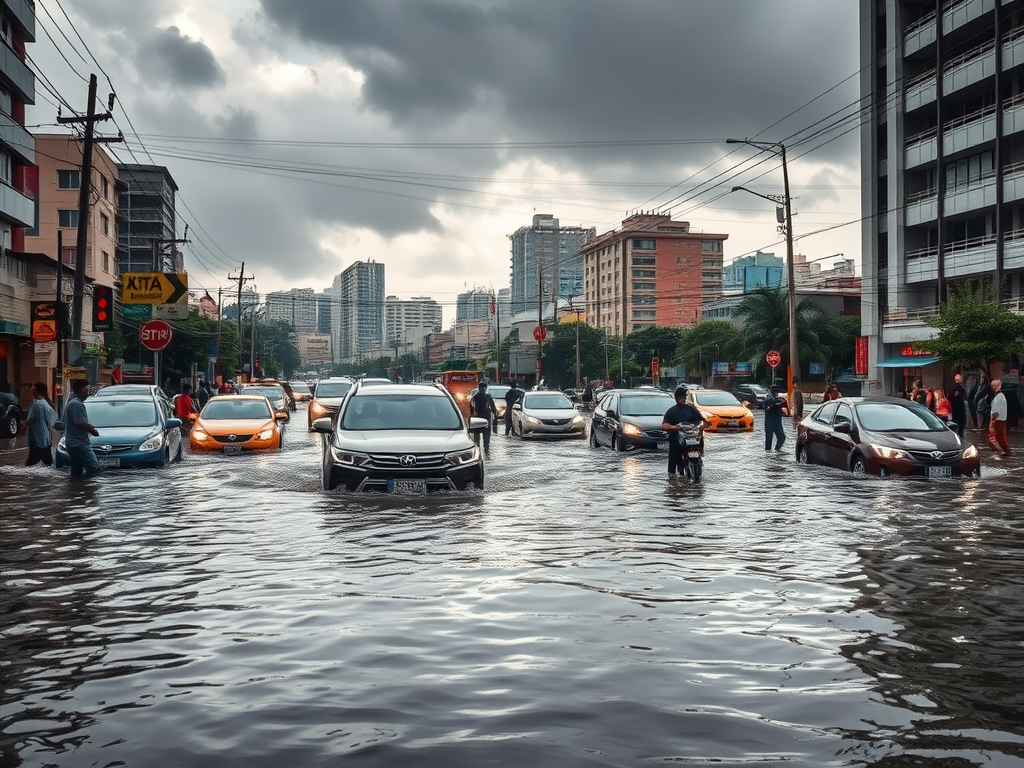
First, better flood control systems may finally become a priority. When lawmakers drill down into project delays, cost overruns, and poor implementation, they highlight gaps in planning and execution. These revelations could push government agencies to revisit project designs, adopt international best practices, and ensure that future flood control infrastructure truly protects lives and property.
Second, we could see better management of funds. The investigations open the door to tighter monitoring and more transparent budget use. With digital tracking tools and public dashboards, citizens could one day see where every peso for flood control goes — and whether projects are completed on time.
Third, there’s a chance to enforce stricter contractor selection. If Congress calls out unqualified or underperforming contractors, it sets a precedent that could raise the bar for future bidding processes. Imagine a system where only firms with proven track records and technical competence get awarded these critical projects — that’s a win for taxpayers.
Lastly, these hearings remind us that public oversight works. A vigilant Congress, engaged citizens, and strong media coverage together create the pressure needed for reform. This is democracy in action — messy, yes, but ultimately necessary.
So, while the news cycle may focus on the drama and the finger-pointing, the real “good news” is the possibility of lasting systemic improvement. If these investigations lead to smarter planning, more efficient spending, and better infrastructure, we may be able to look forward to a future where floods no longer paralyze our cities — and where public funds truly serve the public good.